The safest way to clean hardwood floors is to keep water to a minimum and grit off the surface. Sweep or dust mop often, vacuum once a week with the brush roll off, and damp mop with a pH-neutral wood floor cleaner and a well-wrung microfiber mop. Never wet mop or steam clean wood, and skip vinegar, oil soaps and all-purpose sprays.
Before you start, check what finish your floor has, because sealed, waxed and oiled floors need different care. This guide shows you how to tell, gives you a simple step-by-step routine, explains how to handle stains and deep cleaning, and lists the few tools that actually make the job easier.
How to clean hardwood floors in 5 steps
- 1. Check the finish Put a few drops of water on the floor. If they bead up, it’s sealed and you can damp mop. If they soak in, treat it as waxed, oiled or worn and keep it nearly dry.
- 2. Remove grit first Dust mop or sweep, then vacuum on the bare floor setting with the brush roll off. Grit is what scratches the finish.
- 3. Damp mop, never wet mop Mist a pH-neutral hardwood cleaner on a small area and wipe it with a microfiber pad. The floor should dry within a minute or two.
- 4. Work with the grain Mop along the length of the boards, in small sections, and change or rinse the pad when it looks dirty.
- 5. Stop damage before it starts Wipe spills right away, put mats at doors and felt pads under furniture, and keep indoor humidity steady.
Based on cleaning guidance from the National Wood Flooring Association (NWFA), university extension advice and floor cleaner makers’ labels.
First, Find Out What Finish Your Floor Has
The finish matters more than the wood itself. Oak, maple and hickory all clean the same way when they’re sealed. What changes the routine is the layer on top.
Do the water drop test. Pick a spot in a busy area, like a hallway or in front of the kitchen sink, and put a few drops of water on it. Then watch for a few minutes.
- The water beads up: your floor has a surface finish, usually polyurethane. Most floors installed or refinished in the last few decades, and almost all prefinished floors, are like this. You can damp mop with a cleaner made for sealed wood.
- The water soaks in and darkens the wood: the floor has a penetrating oil or wax finish, or the surface finish has worn through. Keep water to a bare minimum and use products made for that finish.
Check where scratches sit. Cornell Cooperative Extension suggests another simple clue. On a surface finish, a scratch or stain sits in the coating on top. On a waxed floor, it goes into the wood itself.
Try the smudge test for wax. Rub a fingertip hard across the floor in a corner. If it leaves a smudge or you can scrape up a little wax with a fingernail, the floor is waxed.
If you’re still not sure, check your flooring paperwork or ask the installer. Using the wrong product can void a floor’s warranty, and some cleaners leave residue that stops a future recoat from sticking.
What you need
For a sealed floor, you only need a few things:
- A microfiber dust mop or a soft broom
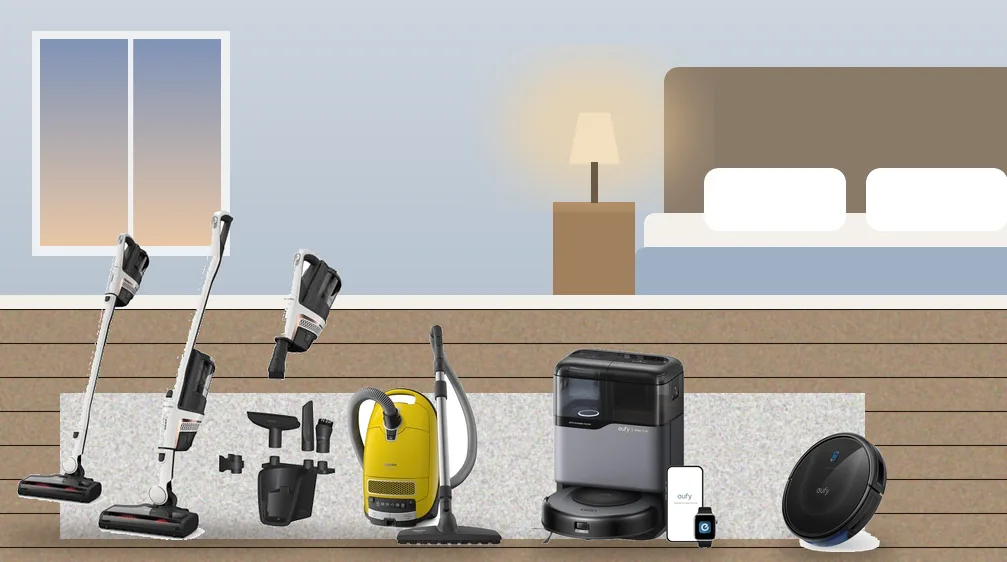
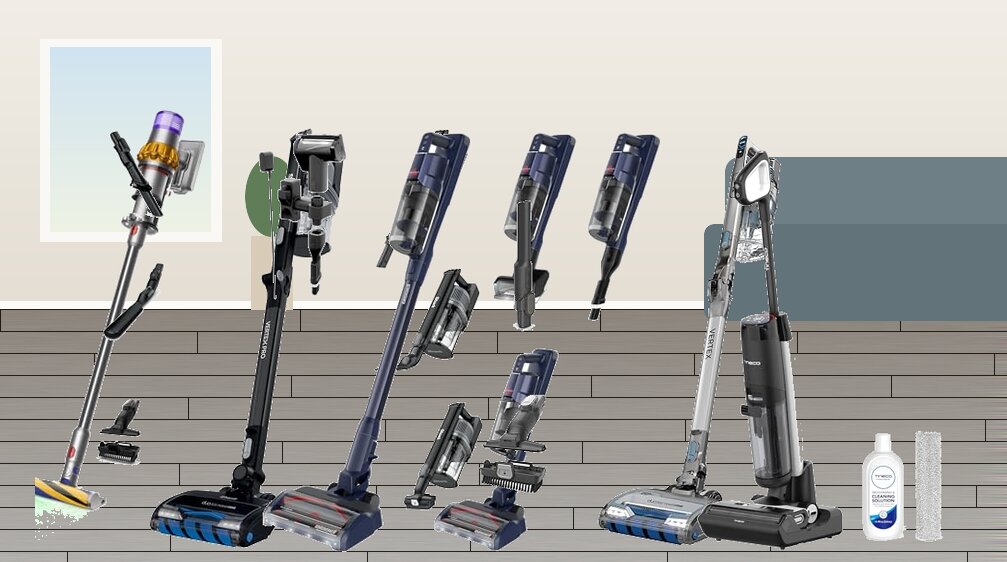
- A vacuum with a bare floor setting or a soft roller head, with no stiff brush spinning on the wood
- A spray mop or flat mop with a washable microfiber pad
- A pH-neutral cleaner made for sealed hardwood
- A few dry microfiber cloths for spills and edges
We cover the specific tools we recommend [further down](#tools).
How to Clean Hardwood Floors Step by Step
-
Clear the floor
Pick up rugs, toys, shoes and small furniture like chairs. Shake rugs outside so the grit doesn’t land back on the wood.
-
Dust mop or sweep
Use a dry microfiber dust mop or a soft broom. Push it in long strokes along the boards and keep the head on the floor, so you collect dust instead of flicking it around. Shake out or change the pad when it’s full.
-
Vacuum the edges and seams
Vacuum on the bare floor setting, or with the brush roll turned off, to pull grit out of the gaps between boards and along baseboards. A soft roller head is fine to leave spinning.
-
Mix or load your cleaner
Use a pH-neutral cleaner made for sealed hardwood, and follow the label. If you mix a concentrate, measure it. More cleaner doesn’t clean better and can leave a dull film.
-
Damp mop one small section at a time
Mist the cleaner onto a few square feet in front of you, or onto the pad, never in puddles. Wipe along the grain with a microfiber pad. The floor should look damp for a moment and then dry on its own within a minute or two.
-
Rinse or swap the pad
A dirty pad just moves dirt around. Swap to a clean pad when it turns grey, which in a big room may mean two or three pads.
-
Dry any wet spots
If you see streaks or any standing liquid, wipe it with a dry microfiber cloth right away. Water left on wood can cause cupping, gaps and white marks.
-
Wash the pads
Machine wash microfiber pads in warm water without fabric softener, which clogs the fibers and leaves streaks next time. Air dry or tumble dry on low.
How Often Should You Clean Hardwood Floors?
The NWFA’s guidance comes down to doing small jobs often and wet jobs rarely. Here’s a schedule that works for most homes:
- Daily or every few days: dust mop or sweep busy areas like the kitchen, entryway and hallways. If you have pets or kids, daily is better.
- Weekly: vacuum the whole floor on the bare floor setting, including under furniture and along the edges.
- Every one to four weeks: damp mop with a hardwood floor cleaner. Busy kitchens may need it weekly. A bedroom may only need it once a month.
- Every few years: have a professional screen and recoat the floor once it looks dull and worn in traffic paths. That’s usually sooner in busy homes.
You don’t need to mop more than that. Every extra wet clean adds a little more moisture and wear, and it won’t make the floor any cleaner.
How to Deep Clean Hardwood Floors
If your floor looks dull or grimy even after mopping, it likely has built-up dirt or residue from the wrong cleaners. For a sealed floor, try this:
- Dust mop and vacuum well, so there’s no grit left.
- Use a deep cleaner made for sealed wood floors, or your regular hardwood cleaner with a fresh pad.
- Work in small sections and let the cleaner sit for a few seconds on sticky spots before you wipe.
- Wipe with a clean, slightly damp pad, then dry it with a dry cloth.
If the floor still looks cloudy, the haze may be old polish, wax or oil soap residue. Those need a residue remover made for that product, or a professional cleaning. Don’t scrub harder with a stiff brush or a scouring pad. That scratches the finish.
Some dullness can’t be cleaned away. When the finish itself is worn, especially in traffic paths, the fix is a screen and recoat, where a pro lightly abrades the top coat and adds a fresh one. It’s much quicker and cheaper than a full sand and refinish.
How to Remove Common Stains From Hardwood Floors
Act fast with any spill. Blot it with a dry or barely damp cloth, and don’t let it sit. For marks that stay, the right fix depends on the finish.
On sealed (polyurethane) floors
- Food, sticky spots and dried spills: spray a hardwood floor cleaner on a microfiber cloth and rub the spot. For stubborn spots, Cornell Cooperative Extension suggests scrubbing with the cleaner and a scrub pad made for urethane finishes.
- Grease and oil: rub with a cleaner made for urethane finishes. Repeat rather than soaking it.
- Pet accidents: blot up as much as possible right away, then clean with your hardwood cleaner and dry the spot well. Urine that sits can soak through worn finish and turn the wood dark, which usually needs board repair.
- Gum, crayon and candle wax: hold an ice pack on it until it gets hard and brittle, then gently lift it with a plastic scraper or a credit card. Clean the spot after.
- Scuffs and heel marks: rub with a clean tennis ball or a dry microfiber cloth, then wipe with cleaner.
- Light scratches: use a touch-up kit or marker made for urethane finishes in your floor’s color. Deep gouges need a flooring pro.
On waxed floors
White water rings and dark spots sit in the wax or the wood, so cleaner alone won’t fix them. Cornell Cooperative Extension recommends rubbing with very fine #000 steel wool and then re-waxing the spot. Never use steel wool on a polyurethane floor, because it scratches the finish.
How to Clean Waxed, Oiled and Unsealed Wood Floors
These floors are less common now, but they’re still found in older homes and some newer European-style oiled floors.
- Waxed floors: dust mop and vacuum the same way. Clean with a cleaner made for waxed wood, or a cloth that’s barely damp. Don’t use water-based hardwood sprays made for polyurethane, since they can strip or cloud the wax. Re-wax busy areas as needed, but avoid over-waxing, which leaves buildup.
- Oiled floors: use the soap or care product the oil maker recommends, and refresh the oil now and then. These floors are made to be maintained this way, so follow the brand’s own routine.
- Unsealed or worn floors: keep them dry. Dust mop and vacuum only, and wipe spills right away. If water soaks into the wood during the drop test, talk to a flooring pro about refinishing.
Common Hardwood Cleaning Mistakes to Avoid
Vinegar is acidic. Used often, it can wear down and dull a polyurethane finish over time, and it does nothing to protect it.
Use a pH-neutral cleaner made for sealed wood instead. Flooring makers and the NWFA advise using the cleaner made for your floor’s finish.
The NWFA says not to use steam cleaners on wood floors. Heat and moisture can push into seams and damage the wood and finish.
Even sealed floors have gaps between boards. Read more in our guide to steam cleaning risks on wood floors.
Oil soaps can leave a film on modern sealed floors that dulls them and attracts dirt.
That residue can also stop a future recoat from bonding, which turns a simple refresh into a full refinish.
Wet mopping leaves standing water, which can cause cupping, cracks, finish damage and discoloring residue.
A damp microfiber pad picks up more dirt with far less water.
Cleaners made for vinyl or tile, and self-polishing waxes, can make wood slippery and dull.
Pick a cleaner labeled for hardwood and your specific finish.
The NWFA warns that polishes, waxes and restorers can make floors slippery and dull quickly. On a polyurethane floor, they add a layer you’ll later have to remove.
If the finish is worn, a screen and recoat is the lasting fix.
Both are abrasive. They can leave dull, scratched patches in the finish.
Use a hardwood cleaner on a microfiber cloth and repeat if needed.
The Hardwood Floor Cleaning Tools We Recommend
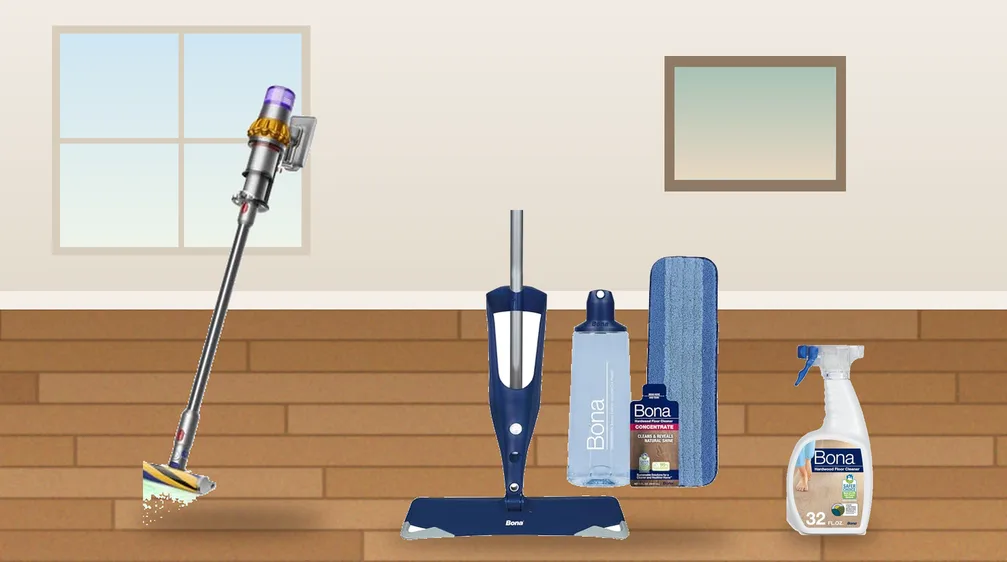
You don’t need a cupboard full of gear to keep wood floors clean. Every product here is made for or safe on sealed hardwood, uses little or no water, and won’t put a stiff brush or steam on your floor. The two Bona products are made for unwaxed, unoiled, polyurethane-finished floors, so skip them if your floor is waxed or oiled.
Bona Hardwood Floor Premium Spray Mop

- Sprays a light, even mist, so no puddles on the wood
- Includes hardwood cleaner concentrate and a refillable cartridge
- Extra-large microfiber pad Bona says is reusable up to 500 washes
- Rubber corners protect baseboards and furniture
- Only for unwaxed, unoiled, sealed floors
- Cartridge arrives empty, so you mix it first
- Big head is awkward in small bathrooms
- Spare pads and refills are an ongoing cost
Why we recommend the Bona Premium Spray Mop
A spray mop is the easiest way to follow the damp-not-wet rule, and Bona builds its mop around its own hardwood cleaner. Pull the trigger and it mists a thin layer onto the floor just in front of the head, so you control how much liquid goes down. The large dual-zone microfiber pad traps dirt and absorbs it, and you can machine wash it instead of buying disposable pads.
The cleaner it ships with is pH-neutral and labeled for unwaxed, unoiled, polyurethane-finished floors, and Bona says it dries without residue. A secondary foam grip helps you press harder on sticky spots without adding more liquid.
The limits are simple. Skip it on waxed or oiled floors. The head is wide, which is great in open rooms but clumsy behind a toilet or under low cabinets. If you’d rather have a powered option for big spaces, see our picks for the best electric mops for hardwood floors.
Bona Hardwood Floor Cleaner Spray

- pH-neutral formula made for polyurethane finishes
- Dries fast and leaves no film when used as directed
- Safer Choice certified by the U.S. EPA
- Refill with Bona’s larger refill bottles or concentrate
- Not for waxed or oiled floors
- Won’t remove old wax or polish buildup
- Easy to over-spray, so mist lightly
- Can’t fix a finish that’s already worn
Why we recommend the Bona Hardwood Floor Cleaner
This is the simplest upgrade for most homes, because most hardwood damage from cleaning comes from the wrong product. Bona’s cleaner is pH-neutral and made for unwaxed, unoiled, polyurethane-finished wood. It’s Safer Choice certified, a U.S. EPA label for products that meet its safety standards for ingredients.
Use it two ways. Mist it over a few square feet and wipe with any flat microfiber mop for weekly or monthly cleaning. Or spray it on a cloth to clean up sticky spots, paw prints and kitchen splatters between mops. When the bottle runs out, refill it from Bona’s bigger refill jugs rather than buying a new sprayer.
It isn’t a fix for every floor problem. It won’t strip old wax, polish or oil soap residue, and it can’t bring back a worn finish. Owners of waxed or oiled floors should use the care products made for those finishes instead.
Dyson V15 Detect

- Soft roller head made for hard floors
- Light on the head shows dust and fine grit
- Second motorized head for rugs and carpet
- Converts to a handheld for stairs and baseboards
- Expensive for a stick vacuum
- Small bin for large homes
- Top-heavy to hold for long sessions
- Runtime drops a lot on the boost setting
Why we recommend the Dyson V15 Detect
Vacuuming is the step most people rush, but it’s the one that protects your finish most. The V15 Detect comes with two heads. The Fluffy Optic head uses a soft roller that’s gentle on hard floors and a bright light that shows fine dust along the boards. The Digital Motorbar head handles area rugs and pulls out long hair.
Dyson says the V15 changes its power to match the floor and the amount of dust it senses, and a screen shows the running time left. The battery is rated for up to 60 minutes on its lowest setting. A major independent testing lab has also rated it among the best vacuums it has tested on hardwood.
It’s a premium tool, though. The bin fills fast in big homes, and it feels top-heavy over long sessions. If you want more choices, including uprights, robots and cheaper sticks, see our guide to the best vacuums for hardwood and carpet.
CLEANHOME 24" Commercial Dust Mop

- Wide 24-inch head covers big rooms quickly
- Two washable microfiber pads included
- Telescoping metal handle adjusts from 50 to 59 inches
- Head rotates 180 degrees to reach around furniture
- Wide head is clumsy in small rooms and tight corners
- Lesser-known brand with less long-term track record
- Pads need regular washing to keep grabbing dust
- Use it dry on wood, not as a wet mop
Why we recommend the CLEANHOME 24-inch dust mop
The NWFA recommends sweeping or dust mopping often, because grit dragged under shoes acts like sandpaper on the finish. A flat microfiber dust mop does this better than a stiff broom. It traps fine dust and pet hair instead of flicking them into the air, and it’s quiet enough to use every day.
This CLEANHOME mop has a 24-inch commercial-style head, which is wide enough to clear an open-plan room in a few long passes. The head turns 180 degrees, the metal handle extends from 50 to 59 inches, and you get two machine-washable microfiber pads, so one can be in the wash.
The listing says you can use it wet, but on wood, keep it for dry dusting and use a spray mop for cleaning. The wide head is less handy in small kitchens and bathrooms, and it’s a lesser-known brand. Wash the pads often, or they stop picking up dust.
X-PROTECTOR Felt Furniture Pads (133 pieces)

- 133 pads in many round and square sizes
- Brown and beige pads to match dark or light furniture
- Self-stick backing goes on in seconds
- Cuts scraping noise on wood floors
- Adhesive can loosen on chairs that move all day
- Felt picks up grit and needs checking
- Not a fix for very heavy furniture that you slide
- You’ll need to replace worn pads over time
Why we recommend the X-PROTECTOR felt pads
Felt pads are one of the cheapest ways to protect a wood floor, and the NWFA suggests fabric-faced glides under furniture legs. This pack from X-PROTECTOR gives you 133 pieces. The brown set includes 3/4-inch and 1-inch rounds and 1-inch squares, and the beige set adds larger pads and strips for bigger pieces.
Clean each furniture leg before you stick a pad on, and press it down firmly. That helps the adhesive last.
Check the pads every few months. Felt can pick up sand and grit, and a dirty pad scratches just like a bare chair leg. On kitchen chairs that slide all day, self-stick pads may peel off. Replace them as they wear, or switch to nail-on or cup-style glides for those chairs. Always lift heavy furniture rather than sliding it, even with pads.
How to Protect Hardwood Floors Between Cleanings
Prevention saves more finish than any cleaner. These habits come from NWFA and university extension guidance:
- Put mats at every door. Use them inside and outside entrances to trap grit. The NWFA suggests breathable rugs, and notes that some non-skid rug pads can leave their pattern on the finish.
- Add a rug at the sink and stove. Splashes and dropped food land there most.
- Wipe spills right away. Use a dry or slightly damp cloth, and dry the spot fully.
- Use felt pads under furniture. Check them for embedded grit every few months.
- Lift, don’t slide. Move heavy furniture and appliances by lifting, or use furniture sliders made for wood.
- Watch the shoes. High heels, cleats and sports shoes can dent wood. Many families keep shoes at the door.
- Trim pet nails. It cuts down on fine scratches in traffic paths.
- Keep humidity steady. Wood swells and shrinks with moisture. A range of about 30% to 50% relative humidity, and 60 to 80°F, is what wood flooring professionals commonly recommend. Run a humidifier in dry winters and a dehumidifier in humid summers.
- Block strong sun. Use curtains or blinds where direct sun hits the floor, and move rugs now and then, so the wood ages evenly.
Hardwood Floor Cleaning FAQs
What is the best way to clean hardwood floors?
Remove grit first with a dust mop and a vacuum on the bare floor setting, then damp mop with a pH-neutral cleaner made for your floor’s finish and a well-wrung microfiber pad. Keep water to a minimum and dry any wet spots right away.
Can I use vinegar to clean hardwood floors?
It’s best not to. Vinegar is acidic, and regular use can dull a polyurethane finish over time. A pH-neutral hardwood cleaner cleans just as well without that risk.
Is it safe to use a steam mop on hardwood floors?
No. The National Wood Flooring Association advises against steam cleaners on wood floors, because heat and moisture can damage the wood and its finish, even on sealed floors.
How often should I mop hardwood floors?
For most homes, every one to four weeks is enough. Mop busy kitchens and entryways more often and quiet rooms less. Dust mop or sweep every day or two and vacuum weekly in between.
Can I clean hardwood floors with just water?
A barely damp microfiber pad with plain water is fine for light dust on a sealed floor. It won’t cut through grease or sticky spots as well as a hardwood cleaner, and you should never leave water standing on the wood.
Is Murphy Oil Soap good for hardwood floors?
Oil soaps can leave a film on modern polyurethane floors that dulls them and can stop a future recoat from bonding. Use a cleaner made for sealed hardwood instead, and check your floor maker’s care guide.
How do I make my hardwood floors shine again?
Start with a thorough clean using a hardwood cleaner and fresh microfiber pads, since dirt and residue cause most dullness. If traffic paths are still dull, the finish is worn, and a professional screen and recoat restores the shine better than polish.
Can I use a Swiffer or a robot mop on hardwood?
Dry dusting cloths are fine. For wet pads and robot mops, check that the maker says it’s safe for sealed wood, use the lowest water setting, and make sure the floor dries within a minute or two. Don’t use them on waxed, oiled or unsealed wood.
How do I clean engineered hardwood floors?
The same way as solid hardwood. Engineered floors have a real wood top layer, usually with a factory finish, so dust mop, vacuum and damp mop with a cleaner made for that finish. Keep water to a minimum, since the top layer is thin.
The Simple Routine That Keeps Hardwood Looking New
- Check your finish with the water drop test first
- Dust mop often and vacuum weekly with the brush roll off
- Damp mop every few weeks with a pH-neutral hardwood cleaner
- Never wet mop, steam clean or use vinegar, oil soap or polish
- Protect the finish with mats, felt pads and steady humidity
Clean hardwood floors with as little water as possible, and get the grit off before it can scratch. For most sealed floors, a dust mop, a soft vacuum head, a spray mop and the right cleaner are all you need. When the floor still looks dull after a good clean, the finish is worn, and a recoat will do more than any product.
How We Picked and Tested
This guide is based on published guidance from wood flooring authorities, not on marketing claims. Our cleaning steps, schedule and list of things to avoid follow the National Wood Flooring Association’s care tips, the industry body for wood flooring in the U.S. Our finish checks and stain fixes come from Cornell Cooperative Extension’s hardwood maintenance guide, which separates advice for waxed and urethane floors. The humidity range comes from the NWFA’s own trade magazine, Hardwood Floors.
We chose products with one rule in mind: each one had to be safe on sealed hardwood and fit the low-water routine the NWFA recommends. That meant no steam, no stiff brush spinning on bare wood and no product that needs a bucket of water. All five picks meet that rule. Each also does a different job in the routine, so the badges describe that job rather than an overall score: dusting, vacuuming, damp mopping, spot cleaning and protecting the floor from furniture.
We checked every feature we mention against the makers’ own information and the current Amazon listings in October 2026, including Bona’s labels, which state its hardwood cleaner is for unwaxed, unoiled, polyurethane-finished floors, and the U.S. EPA’s Safer Choice program. For the Dyson V15 Detect, we also relied on published hands-on testing from RTINGS, an independent lab that rates vacuums on hard floors. We have not run our own lab tests, and we note where a claim comes from the maker. If you have a waxed, oiled or unsealed floor, follow the care instructions from your floor or finish maker first.
Why trust CleanTheFloor?
CleanTheFloor publishes practical floor-care advice and buying guides for homeowners and pet owners. We base our advice on guidance from industry bodies, published research and verified product specifications rather than marketing claims, and we point out each product’s drawbacks.